Posts

Showing posts with the label john 6

John's Hermeneutical Principle

Image
"Interpreters have noted that the evangelist gives the reader important hermeneutical guidance for understanding his Gospel, including its sacramental teaching, after the account of the cleansing of the temple in chapter two, where he states: “When, therefore, [Jesus] was raised from the dead, his disciples remembered that he had said this; and they believed the Scripture and the word which Jesus had spoken” (John 2:22).7 Even as the original hearers of Jesus did not understand some of his teaching about his death and resurrection until after the resurrection (e.g., “Destroy this temple and in three days I will raise it up” in John 2:19), so also they did not understand some of his teaching about the sacraments until after the resurrection and ascension when the sacraments began to play a very significant role in mediating the presence and forgiveness of Jesus. If one understands Jesus’ discourses in this Gospel as sermons that John delivered to the post-Easter church...
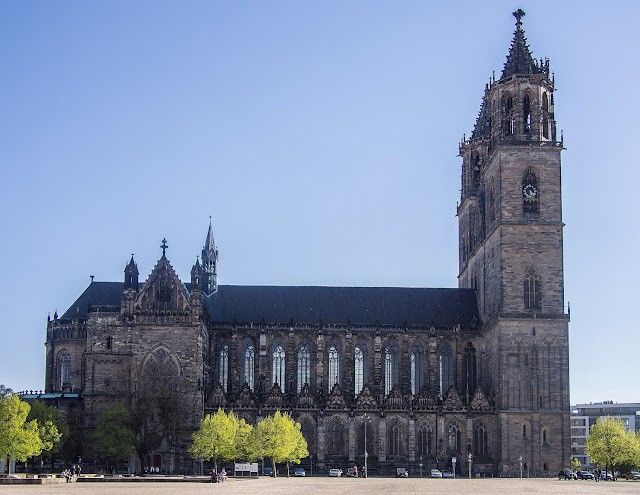
John 6 is Eucharistic: The Thursday after Holy Trinity in the Magdeburg Daily Lectionary

Image
On the Thursday after Holy Trinity… — Gottesdienst An interesting dive into the liturgical practice of the Lutherans at Magdeburg as documented in their  daily lectionary published in 1613. The Thursday after Holy Trinity was focused on the Eucharist. The reading, you ask? The Gospel assigned in John 6:55-58! Wait, I thought that John 6… Oh, well, never mind.

John 6 is Eucharistic. Change my mind.

Image
What is your best argument against a Eucharistic view of John 6? σὰρξ versus σῶμά ? The exclusivity of "unless"? It predates the institution ? BUT LUTHER SAID?!? The Magpies have answers .

The Melanchthonian Blight in the American Lutheran Church

Image
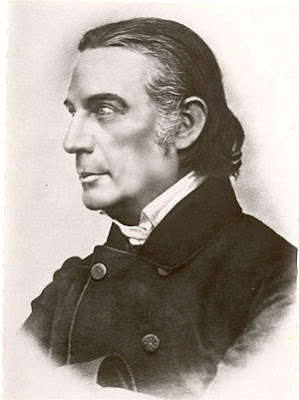
Dr. John R. Stephenson wrote an article for the FritzSchrift  entitled "A Voice Retrieved from the Past with a Powerful Message for the Future." That voice is Wilhelm Löhe, and Dr. Stephenson discusses a number of elements of the Lord's Supper from Löhe's writings, including the dangers of receptionism. Receptionism "reduces the Lord's temporally extended bodily presence with His Church to His fleeting encounter with discrete individuals " - a consequence of what is referred to as Melanchthonian Blight. Against this we have the preaching of Paul in 1 Corinthians 10:16ff, "Löhe finds it significant that Paul labels bread and cup a κοινωνία of the Lord's Body and Blood at their breaking and blessing, not merely at their eating and drinking." In an extended footnote, Löhe makes several firm statements against receptionism: "Luther speaks of the Body held in the celebrant's hands" ... "He (Jesus) doesn't say 'it will...